Clear aligners have moved from novelty to mainstream over the past two decades, and with that has come a steady stream of questions — some practical, some born of half-remembered things heard from a friend. Below are the ones that come up most often before treatment begins, answered plainly. None of this replaces a proper assessment, but it should give you a clearer sense of what aligners are, and what they ask of you.
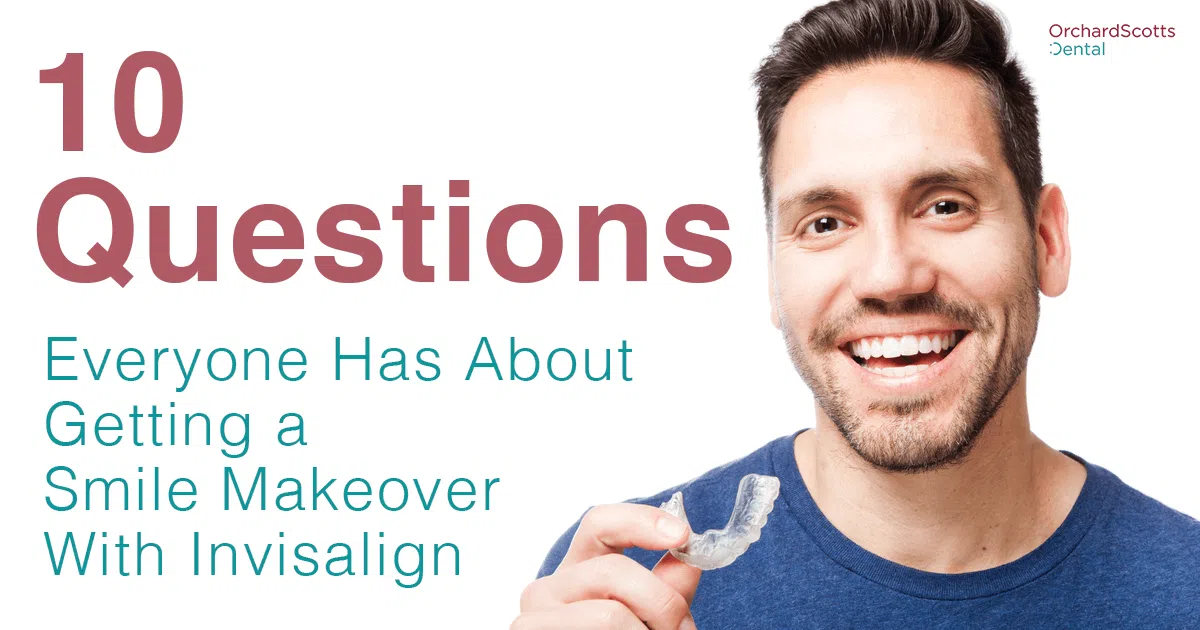
What is a clear aligner, exactly? A clear aligner is a transparent, custom-made tray that fits closely over the teeth and moves them gradually into a better position. Invisalign is the best-known system, but Clear Correct, Angel Aligners and Spark all work on the same principle: a planned sequence of trays, each easing the teeth a little closer to where they should sit. Because they are removable, they ask less of your daily routine than fixed braces do.
What are they made of? A medical-grade, BPA-free thermoplastic, designed to be flexible enough to apply gentle pressure and clear enough to be barely noticeable. The material is smooth, which is part of why it tends to be kinder to the cheeks and gums than metal brackets.
Does it hurt? You will feel pressure for a day or two each time you move to a new tray — that is the tooth moving, and it settles quickly. It is more a dull awareness than pain, and most people adjust to the sensation of wearing the trays within the first week.
How does it work? Treatment begins with a digital scan rather than a tray of plaster. From that scan we build a three-dimensional model of your teeth and plan the precise sequence of movements — so each tray is designed to apply the right pressure, in the right place, to move the teeth a controlled fraction of a millimetre at a time.
Can I eat with them in? No — and you shouldn’t. You remove the trays to eat and to drink anything other than water, then clean your teeth and put them back. That is one of the genuine conveniences: no food is off the menu, because nothing is fixed to your teeth while you eat.
Do I need attachments? Some cases do, some don’t. Attachments are small, tooth-coloured shapes bonded to a few teeth to give the aligner something to push against for trickier movements. They are discreet and removed at the end of treatment. Whether you need them depends on what your teeth have to do.
How do I keep them clean? Rinse them when you take them out, and brush them gently with a soft brush and lukewarm — never hot — water, which can warp the plastic. Brushing your own teeth after meals before you reseat the trays keeps both your teeth and the aligners clear. Cleaning products made for aligners exist, but careful daily cleaning is most of the job.
How often do I change trays? Typically every one to two weeks, each tray taking the teeth a small step further. Your dentist sets the schedule based on the plan and reviews your progress at intervals, adjusting if your teeth are moving faster or slower than expected.
What if a tray breaks or gets lost? They are durable, but it happens. Contact the clinic rather than improvising — depending on where you are in the sequence, the right move may be to step back to your previous tray, move on to the next, or order a replacement. Your dentist knows your progress and can tell you which.
What does it cost? That depends on the complexity of the case and how long treatment takes, so it is discussed at your consultation once we understand what your teeth actually need — not quoted against a generic plan.
The honest version of this conversation is not “aligners are always the answer”, but “here is what your particular case needs, and whether aligners deliver it”.
If this resonates
If aligners are something you are considering — whether on their own or as part of a wider smile makeover — the useful next step is a proper assessment of your bite and your teeth. Arrange a consultation and we will tell you plainly whether they suit what you are trying to achieve.