
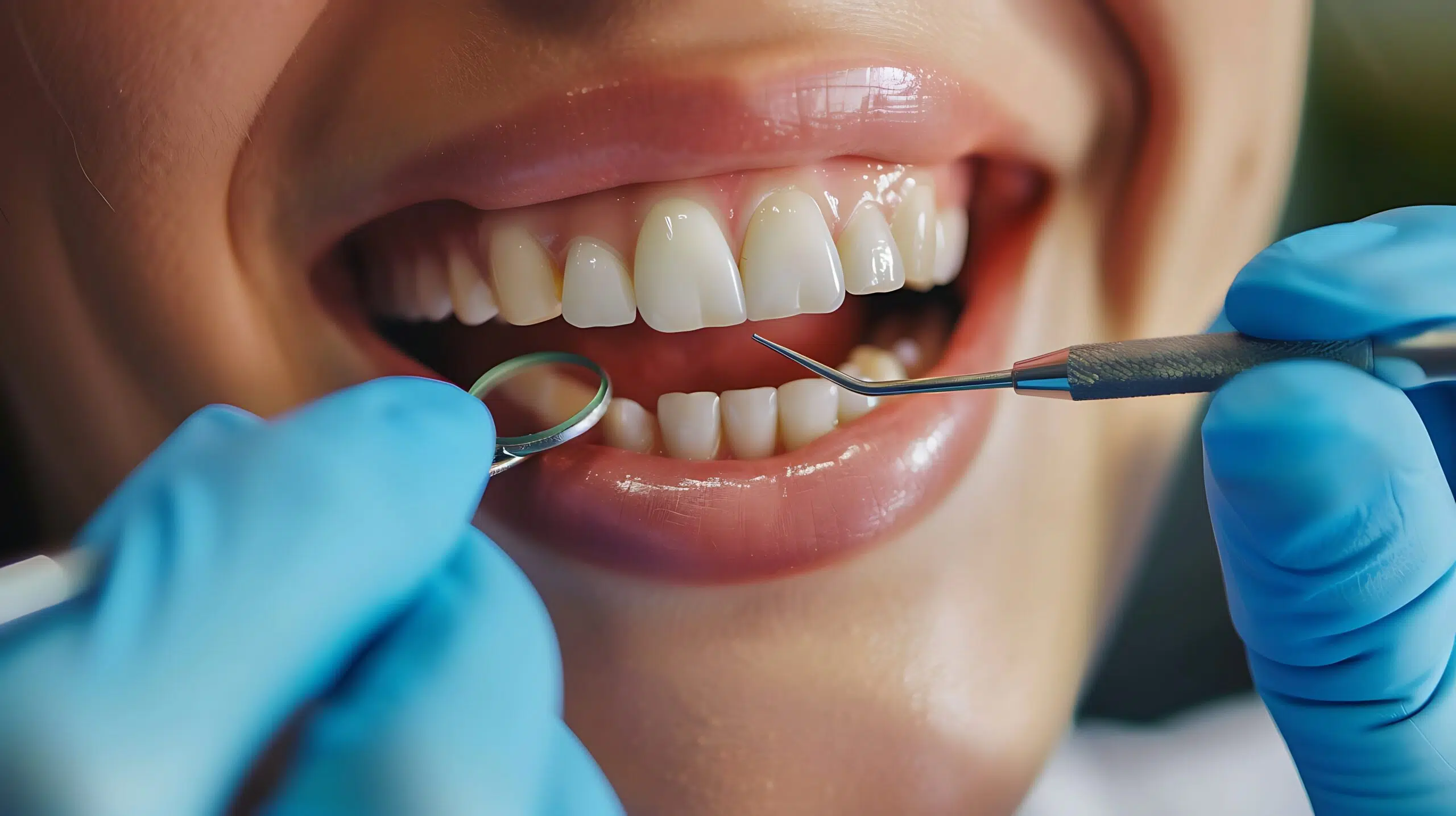
Chipped, worn, or discoloured teeth are among the commonest reasons people ask about cosmetic dentistry, and composite veneers are often the least invasive option on the table. The resin is applied directly to the tooth and shaped by hand in a single visit, with little or no enamel removed — a smaller commitment than porcelain, and one that can be undone.
But what does the procedure actually entail? Here is a step-by-step guide to help you understand what to expect when getting composite veneers in Singapore.
Step 1: Your initial consultation
The first step to getting composite veneers begins with an initial consultation. Your dentist will assess the state of your teeth and gums during this visit to confirm whether composite veneers are a suitable option for you.
This is also the opportunity to discuss your aesthetic goals — desired tooth shape, size, and colour — before impressions are taken to plan the veneers’ design.
Ask questions and seek clarification for any doubts you may have about the procedure. Your dentist will explain the benefits, limitations, and likely outcomes of composite veneers, so that your expectations are realistic from the outset.
Step 2: Preparing your teeth for veneers
Once you and your dentist have agreed on the veneer design, the next step is to prepare your teeth. This process is less invasive than traditional porcelain veneers, as minimal or no enamel removal is required.
The dentist will clean your teeth thoroughly to remove debris and plaque, then lightly etch the surface to create texture for better adhesion of the composite material. This preparation helps the veneers bond properly and last well.
Step 3: Applying the composite material
With your teeth prepared, the application of the composite material begins. The dentist will:
- Carefully layer the composite resin onto your teeth.
- Sculpt the material to fit your desired tooth shape and size.
- Use a specialised curing light to harden the resin.
The application is done one tooth at a time, allowing the dentist to build a natural-looking result with care. The colour of the resin is matched to your existing teeth for a seamless finish.
Step 4: Polishing and refining your smile
Once the composite material has been applied and hardened, the dentist will refine the result, smoothing out any uneven surfaces or rough edges.
The veneers are then polished to a natural, glossy finish so they blend harmoniously with your surrounding teeth. The goal is a smile that looks both natural and well-proportioned.
Step 5: Making final adjustments for comfort
After polishing, the dentist will make final adjustments to ensure you are comfortable. This involves checking your bite so the veneers do not interfere with how your teeth meet, and making any modifications needed to prevent discomfort or irritation.
Your dentist will also provide care instructions to help maintain your new veneers, such as moderating hard or sticky foods and keeping up good oral hygiene.
Why patients consider composite veneers
Patients in Singapore consider composite veneers for a range of reasons. Among the advantages they offer:
- Conservative: Composite veneers preserve much of the natural tooth structure, as they require little to no enamel removal.
- Single visit: The procedure can usually be completed in one appointment.
- Customisable: The resin can be shaped and colour-matched to create a personalised result.
Composite veneers do require periodic maintenance. The material is more prone to wear and staining over time than porcelain. Regular dental checks and professional cleaning help extend their lifespan, but it is reasonable to expect occasional repairs or touch-ups to keep them looking their best.
How we think about veneers at Orchard Scotts Dental
A veneer is rarely just a cosmetic shell. It has to sit comfortably with the bite, stay healthy against the gum, and belong on your face rather than on a template — biology, function, and aesthetics, considered together.
If you are weighing composite against porcelain for a fuller change, our SmileUp Veneers programme begins with a detailed smile analysis and personalised design, so the recommendation is matched to your face, your goals, and your lifestyle rather than to a default material.
If composite veneers sound like the right starting point, arrange a consultation and we will tell you, plainly, whether they suit what your teeth need.