
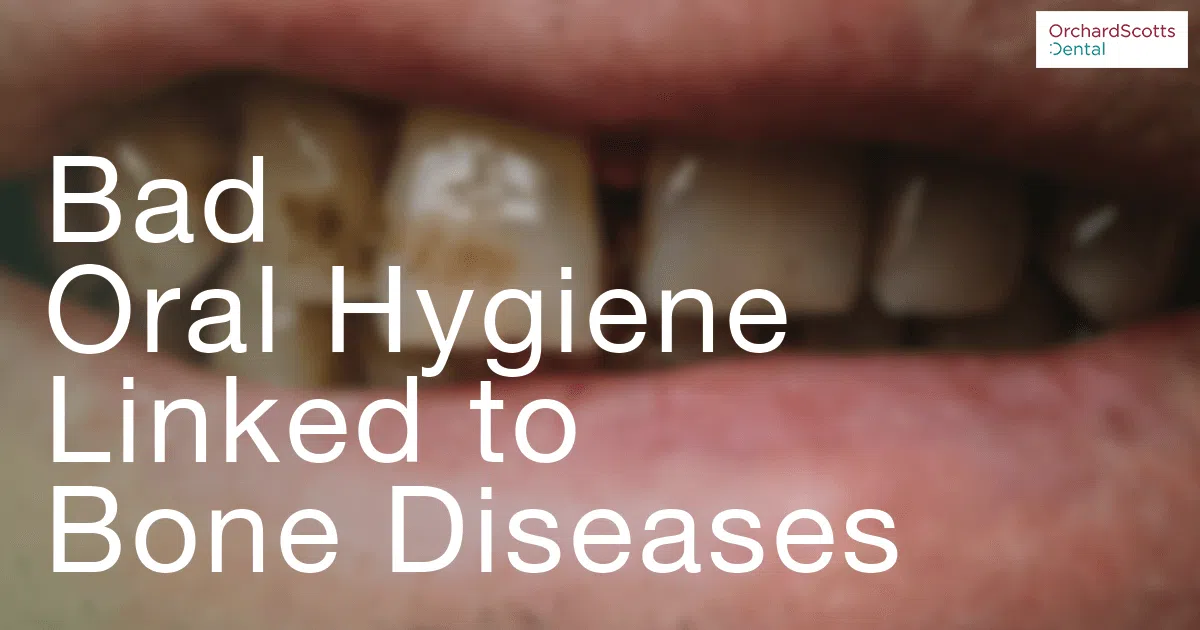
Among the many things researchers have studied about oral health, one of the more grounded is the relationship between gum disease and bone. It is a sensible place to look, because the teeth are held in place by bone, and the health of that bone and the health of the gums around it are closely tied.
As with most research in this area, the findings are best read with a steady hand. They describe associations and plausible mechanisms, not certainties or threats. Here is what the picture looks like.
The bone that holds your teeth
The clearest and best-established link is the most local one. Advanced gum disease — periodontitis — is, at its core, a disease of the supporting structures of the teeth, including the bone. When gum inflammation goes unaddressed over a long period, it can gradually affect the bone that anchors the teeth. This is well documented and is precisely why dentists treat gum disease seriously and early: the goal is to keep that supporting bone stable.
This is the part of the research that translates most directly into everyday care. Healthy gums protect the bone beneath them, and gum disease, caught early, is very manageable.
The wider bone-health question
Beyond the mouth, researchers have looked at whether gum health and the body’s broader bone health — including conditions such as osteoporosis — share any relationship. Some studies have noted associations, often through shared factors such as inflammation, age and overall health, rather than one condition simply causing the other.
This is an area of ongoing study, and the honest summary is that the links are associative and still being understood. It is mentioned here not as a warning but because it is part of how the question is being asked — and because it reinforces a simple, low-stakes conclusion: the inflammation that gum disease represents is worth keeping in check.
The thread running through it
Across this research, one factor recurs: inflammation. Persistent inflammation in the gums is the common element in much of what has been studied, which is why so much of the practical advice comes back to the same unremarkable place — keep the gums calm and well looked after.
Misaligned or crowded teeth are part of this picture too, in a practical sense. Where teeth overlap, plaque settles in spaces a brush cannot reach, and gums there are harder to keep healthy. That is one reason alignment and gum health are linked — straighter teeth are simply easier to clean.
What this means in practice
The takeaway is reassuringly ordinary. Brush and floss consistently, paying attention to the gum line. Keep regular check-ups and cleans, which reach what daily care cannot and catch gum problems while they are still minor. And if your gums bleed easily, feel tender, or have begun to recede, have them assessed — early gum disease management is far simpler than later treatment, and it is the most direct way to protect the bone beneath.
None of this calls for alarm. It calls for the same steady habits that good oral care has always asked for — now with a little more reason to take the gums seriously.
If this resonates
If you have noticed your gums bleeding or receding, the useful step is to have them looked at rather than left. Arrange a consultation and we will tell you plainly where things stand and what, if anything, needs attention.