Whitening is often treated as a single solution to a single problem, but stains are not all the same — and that is usually why a course of whitening sometimes leaves a tooth looking much as it did before. Before considering what to do when whitening does not work, it helps to understand the kind of stain you are dealing with, which is the first thing we assess.
Types of tooth stains
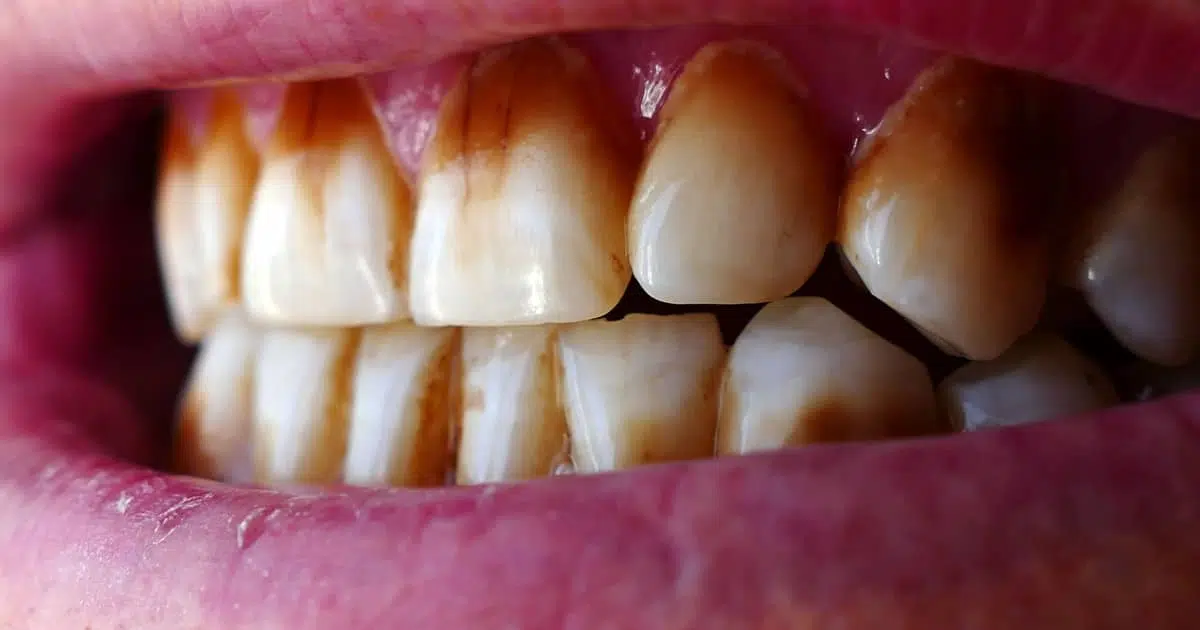
Extrinsic stains sit on the tooth’s outer layer, the enamel, and come from external factors. Common causes include:
- Foods with strong colouring agents, such as curry, tomato-based dishes, and annatto
- Beverages like coffee, red wine, tea, and cola
- Lifestyle habits such as smoking
Intrinsic stains lie deeper, within the dentin — the layer between the enamel and the pulp. Because they come from inside the tooth, they are far more resistant to surface whitening. Causes include:
- Dental trauma, such as a fall or knock
- Certain medications taken in childhood, such as doxycycline and tetracycline
- Some antihistamines, blood pressure medications, and antipsychotic drugs
- Internal resorption, which can give the tooth a pinkish tinge after trauma
- A tooth that has died, which tends to take on a greyish hue
Age-related stains develop gradually. Over the years, enamel thins and wears, allowing the yellower dentin beneath to show through — a process that heavy-handed brushing over a lifetime can accelerate.
Where whitening works, and where it does not
Extrinsic stains generally respond well to professional in-chair teeth whitening and supervised at-home kits. Intrinsic stains, sitting within the tooth, are a different matter — they resist surface whitening because the discolouration is not on the surface to begin with.
When whitening alone cannot get there
Identifying the cause of discolouration is what prevents a fruitless course of treatment. Where deep-seated stains will not lift, several options can restore a brighter appearance:
Internal bleaching and root canal therapy. A greyish tooth usually signals that the tooth has died through trauma or severe decay. Surface whitening cannot reach it; instead, the decayed tissue is removed through root canal therapy and the tooth is bleached from the inside out. A small opening is made at the back of the tooth, the bleaching material is placed within, and the tooth is sealed temporarily while the colour is reviewed over the following days or weeks before final restoration.
Resin bonding. A more conservative option if you would rather not commit to a full smile makeover. Dental resin is applied directly to the tooth to adjust its colour and shape and even out minor irregularities. The trade-off is that bonding can stain over time and will not respond to whitening agents, so it asks for regular polishing visits and care around staining foods.
Porcelain veneers. A porcelain veneer is a thin, stain-resistant shell bonded over the existing tooth to cover imperfections that whitening cannot correct. Beyond colour, well-placed veneers can refine the size and shape of teeth — the aim being a result that looks natural and belongs on your face, rather than one that announces itself.
Dental crowns. Like veneers, a crown covers imperfections, but it caps the whole tooth and adds strength where decay or thin, eroded enamel is a concern — particularly useful when whitening would only increase sensitivity. Traditional crowns take several appointments; our same-day crown option lets you leave with the final restoration in a single visit, without temporaries.
If this resonates
Stubborn stains are not a dead end — they are a signal that whitening is not the right tool for that particular tooth. The useful next step is a proper look at what is causing the discolouration, so the treatment matches the cause. Read more on our teeth whitening page, and arrange a consultation when it suits.