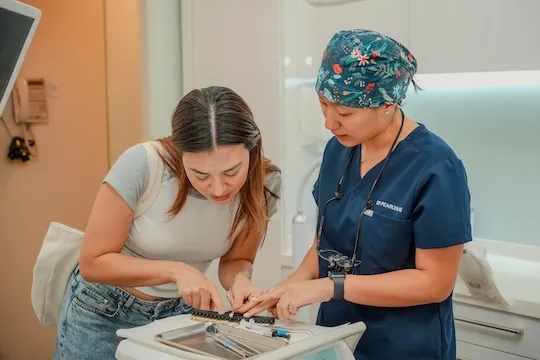

Most accounts of dental implants stay on the sunny side. This one looks at the difficulties — not to alarm, but because understanding what can go wrong is the surest way to avoid it. An implant is a well-established way to replace a missing tooth, and the problems below are uncommon, manageable, and largely preventable when a case is assessed carefully and cared for properly.
Implant failure
Implant failure occurs when the implant does not integrate with the jawbone, or loses stability after an initially successful start. It can happen for a few reasons:
- Poor bone quality or quantity: insufficient bone can prevent the implant from anchoring securely.
- Improper positioning: an incorrectly placed implant may not integrate well with the surrounding bone.
- Excessive load: too much pressure on the implant, especially early in healing, can lead to failure.
Symptoms include pain, swelling, and movement of the implant. Following post-operative care and attending follow-up appointments are what allow the implant’s progress to be monitored.
Infection
Infection can compromise both the implant and the surrounding tissue. It may occur shortly after surgery or years later, often linked to oral hygiene. Common signs include:
- Redness and swelling around the implant site
- Persistent pain or discomfort
- Pus or discharge from the area
- Bad breath or a foul taste in the mouth
Prevention rests on good oral hygiene — regular brushing and flossing — and avoiding tobacco, which hinders healing. If you suspect an infection, prompt treatment matters.
Peri-implantitis
Peri-implantitis is an inflammatory condition affecting the soft and hard tissues around a dental implant. It resembles periodontal disease but occurs around implants, and left untreated it can lead to bone loss. Symptoms include:
- Swelling and redness of the gums around the implant
- Bleeding when brushing or probing the area
- Deepening of the pocket around the implant
- Progressive bone loss visible on X-rays
Good oral hygiene and regular check-ups are the main line of prevention. Where it does develop, treatment may involve deep cleaning, antibiotic therapy, or surgery to remove infected tissue and restore bone health.
Nerve damage
Nerve damage is less common but serious, and can occur if an implant is placed too close to a nerve — particularly in the lower jaw, where the mandibular nerve runs near the bone. Symptoms include:
- Numbness or tingling in the lips, gums, chin, or tongue
- Pain or discomfort in the affected area
- Difficulty chewing or speaking
This is precisely why thorough evaluation and precise planning — often with CT imaging — come before the procedure. Any signs of nerve disturbance should be raised with your dentist straight away.
Implant rejection
Genuine rejection is rare but can occur if the body reacts adversely to the implant material, usually titanium, causing it to fail to integrate. Signs include:
- Persistent pain at the implant site
- Swelling or inflammation that does not improve
- Loosening or movement of the implant
- Bone loss around the implant
Pre-surgical screening and well-chosen implant materials reduce the risk. Where rejection does occur, the implant is removed and alternatives considered.
Bone loss
Bone loss around an implant can undermine its stability. It can follow infection, peri-implantitis, or insufficient bone at the time of placement. Indicators include:
- Changes in the appearance or fit of the implant
- Gaps or spaces developing around the implant
- Discomfort or pain when biting or chewing
Bone grafting before or during placement can ensure sufficient support, and regular monitoring with good oral hygiene helps detect and prevent it.
Treatment and prevention
Addressing these issues calls for prompt, considered treatment — antibiotics for infection, surgery to clean or repair where needed, bone grafting to restore support, and medication to manage pain or inflammation. Prevention, though, does most of the work: brushing twice daily and flossing, attending regular check-ups so the implant and surrounding tissue can be monitored, and avoiding habits — smoking, or excessive force on the teeth — that put it under strain.
When to call your dentist
It helps to know when to seek help. Contact your dentist if you notice:
- Persistent pain or swelling around the implant
- Signs of infection — redness, pus, or a foul odour
- Unusual numbness or tingling
- Loosening or movement of the implant
- Any change in the fit or appearance of the implant
Early intervention tends to prevent a small problem from becoming a larger one.
If this resonates
Most of these complications are uncommon and avoidable, and the single biggest factor is a careful assessment before anything is decided. If you are considering an implant and want a straight account of what your case needs, read more on our dental implants page, and arrange a consultation when it suits.