The word “investment” tends to push the conversation towards cost, and cost is the least useful place to start. A more honest framing of “is it worth it?” looks past the figure on the page to what the material does over the years that follow — how the body tolerates it, how it settles into the bone, and how it ages in the mouth. Ceramic implants answer those questions a particular way, and they are a considered choice for some patients rather than a default for all.
What a ceramic implant is
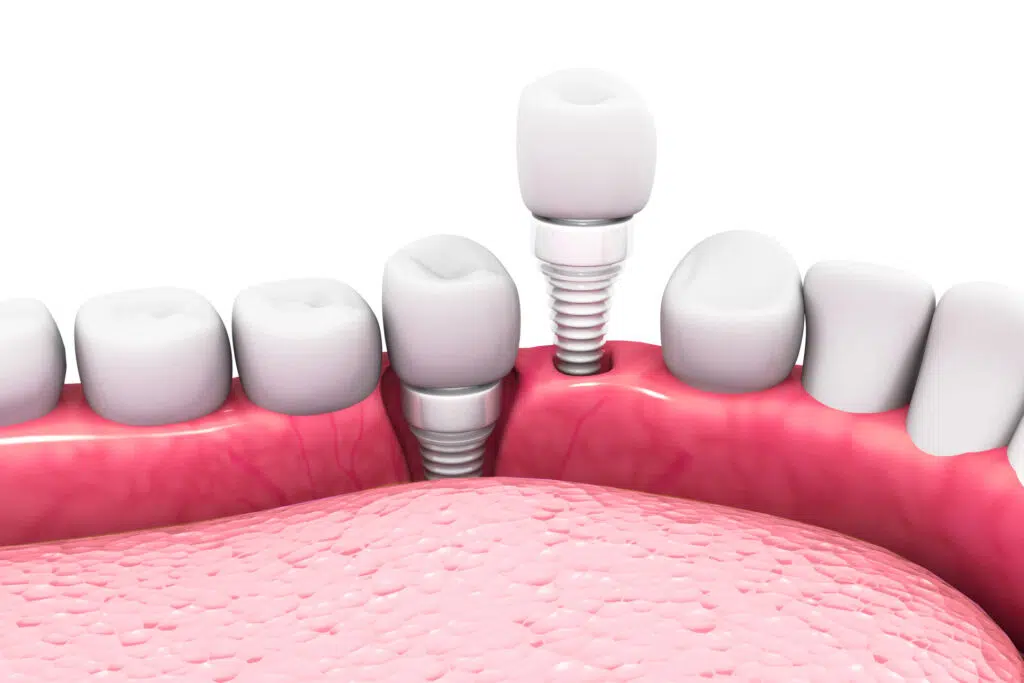
A dental implant is an artificial root placed into the jaw to support a crown, bridge or denture. Most implants are made from titanium, which has a long and well-documented record. Ceramic implants are made instead from zirconia — a hard, durable form of ceramic — and exist as an alternative for people who would rather not have metal in the jaw, or whose circumstances make zirconia the more sensible fit.
The two materials do the same job. The difference is what they are made of, and that difference matters more for some patients than others.
The case for zirconia
The argument for a ceramic implant rests mainly on biology, with an aesthetic benefit alongside it.
The biological point is tolerance. Zirconia is well accepted by the body, with a low likelihood of the sensitivity reactions that a small number of patients have to metals. For someone with a known metal allergy or sensitivity, that is not a marginal advantage — it is often the reason the conversation turns to ceramic in the first place. Zirconia is also corrosion-resistant, which removes one of the long-term concerns that metal can raise.
The aesthetic point is colour. Zirconia is naturally white, so it does not risk the faint greyish shadow that a metal implant can sometimes cast through thin or receding gum tissue. For a patient with a high smile line or delicate gums at the front of the mouth, that can be the deciding detail.
On strength and daily life, a well-placed zirconia implant behaves much as you would want — it withstands normal biting and chewing, and it is cared for like a natural tooth, with brushing, flossing and regular check-ups rather than adhesives or soaking.
The honest version of “is it worth it?” is not about the price of the material, but about whether your particular mouth has a reason to prefer it.
Who it suits — and who it does not
Ceramic is not automatically the right answer, and it is not automatically the wrong one. As with any implant, suitability turns on a few things: reasonably healthy gums, enough bone to anchor the implant, a stable oral environment, and a commitment to keeping it clean. Where ceramic earns its place is when those conditions are met and there is a specific reason to avoid metal — a sensitivity, a thin gum biotype at the smile line, a personal preference for a metal-free restoration.
For many other patients, titanium remains an entirely sound choice with a longer track record. Neither material is better in the abstract. The right one is the one matched to your mouth, and that is a judgement made after an assessment, not before it.
How we think about it
A replacement tooth has to satisfy three things at once: it has to stay healthy in the bone, function comfortably under a real bite, and belong in the smile rather than stand out. Biology, function and aesthetics — those are the considerations that decide whether a ceramic implant is the right route for you, or whether a titanium one would serve you just as well. The material is a means to that end, not the goal in itself.
If this resonates
If you are weighing a missing tooth and wondering whether ceramic is the right choice, the useful next step is a proper look at your bite, your bone and your reasons for preferring one material over another — not a price compared against a generic plan. You can read more on our dental implants page, and arrange a consultation when it suits. We will tell you plainly what we see, and what we would and would not recommend.