
When people ask about zirconia implants, the question is usually framed as a choice between two materials — ceramic or titanium, white or grey. That framing is not wrong, but it puts the material before the case. The more useful starting point is the body it has to live in: your bone, your bite, your gums, and what you are trying to restore. The material follows from that, not the other way round.
What zirconia implants are
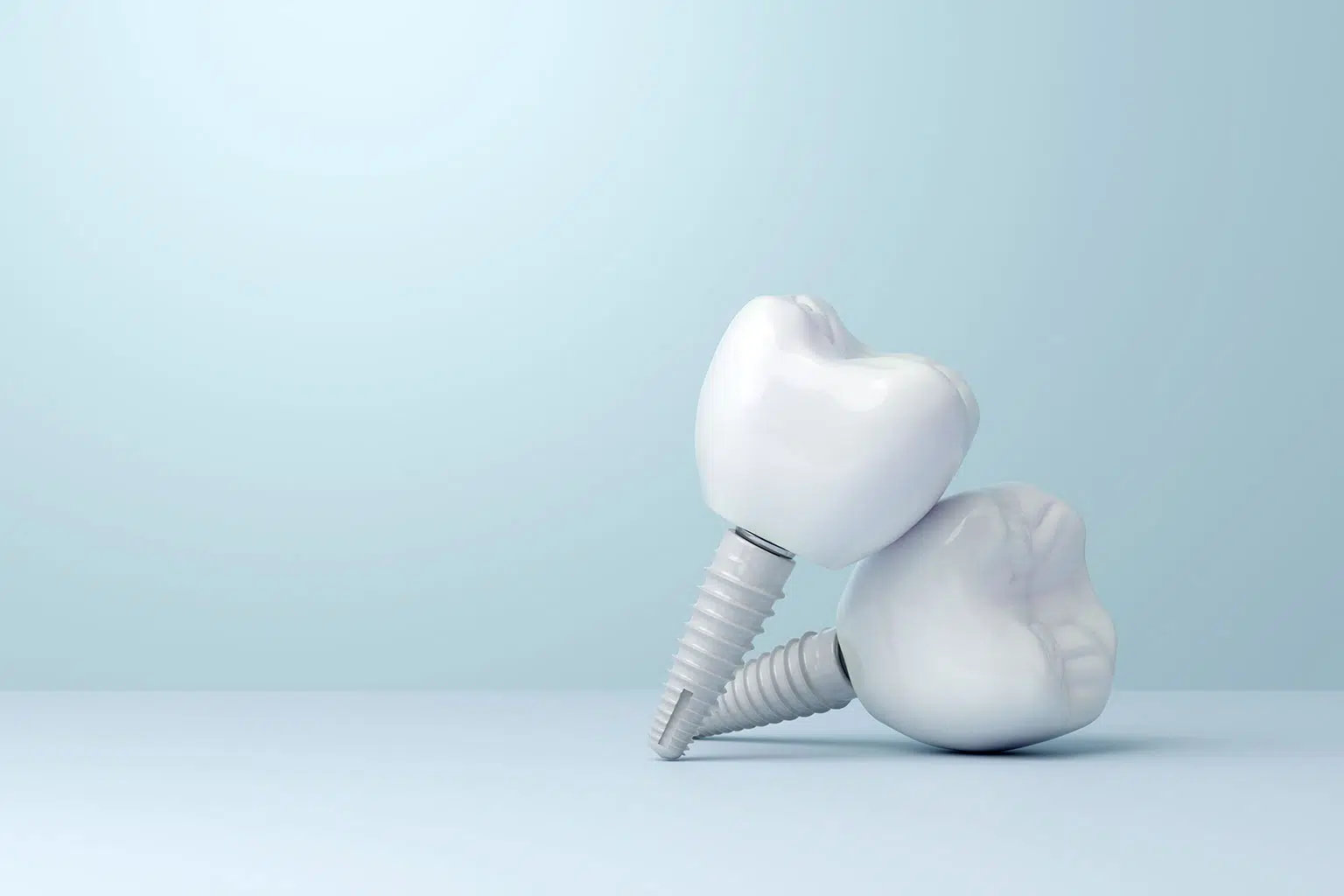
A dental implant is, at its simplest, an artificial tooth root placed into the jaw to support a crown, bridge, or denture. Most implants are made of titanium, a metal with a long clinical record. Zirconia implants do the same job using zirconium dioxide — a strong, white ceramic. It is not a metal, and it is tooth-coloured rather than grey. Those two facts are properties, not virtues; they matter for some patients and are beside the point for others.
The ceramic is biocompatible, which is to say the body tends to accept it readily, and it integrates with bone through the same process — osseointegration — that titanium relies on. The research on that integration is solid, if shorter in the tooth than titanium’s, which has decades of documented use behind it.
Where zirconia tends to fit
Two properties do most of the work in deciding whether zirconia is worth considering.
The first is its colour. Because the ceramic is white, it does not cast the faint grey shadow that a metal post can show through thin or receding gum tissue — particularly at the front of the mouth, where the margin between gum and tooth is on display. For a front-tooth replacement in a patient with a thin gum profile, that can matter to the finished look.
The second is that it contains no metal. For patients with a known metal sensitivity, or those who simply prefer a metal-free restoration, zirconia answers that preference directly. It is a factual property of the material, not a claim that metal implants are unsafe — titanium remains one of the most reliable materials in the field.
Where it does not
Zirconia is strong, but it is a ceramic, and ceramics are more brittle than metal. In a patient who grinds heavily or carries an unusually forceful bite, that brittleness is a genuine consideration — it is one of the factors a careful assessment weighs before recommending the material. The cost also tends to run higher than titanium, partly because the ceramic is more demanding to manufacture and place.
So zirconia suits some cases and not others. A patient with a metal sensitivity, a thin gum line, a healthy jaw, and a straightforward bite is often a reasonable candidate. A complex bite, limited bone volume, or a grinding habit may point your dentist toward titanium or a different approach altogether. Neither outcome is a compromise — it is simply the material matched to the mouth.
How we think about the choice
A good implant has to satisfy three things at once: it has to stay healthy in the bone for the long term, it has to function comfortably under a real bite, and it has to belong in the smile rather than announce itself. Biology, function, and aesthetics — the same three considerations guide every implant we plan, and they are what decide whether zirconia or titanium is the more sensible route in a given case. The honest version of this conversation is not “zirconia is the modern choice,” but “here is what your particular case needs, and here is which material delivers it.”
If you would like to weigh the value side specifically, our note on whether ceramic implants are worth the investment is a reasonable companion to this one.
If this resonates
If you are considering an implant and want to understand whether zirconia is the right material for your case — or whether it is the right treatment at all — the useful next step is a proper assessment of your bite, your bone, and your goals. You can read more about the procedure on our dental implants page, and arrange a consultation when you are ready. We will tell you plainly what we see, and what we would and would not recommend.